
Briefly Looking Back at African American Life in the Jones Falls Valley Chattolanee – Baltimore County
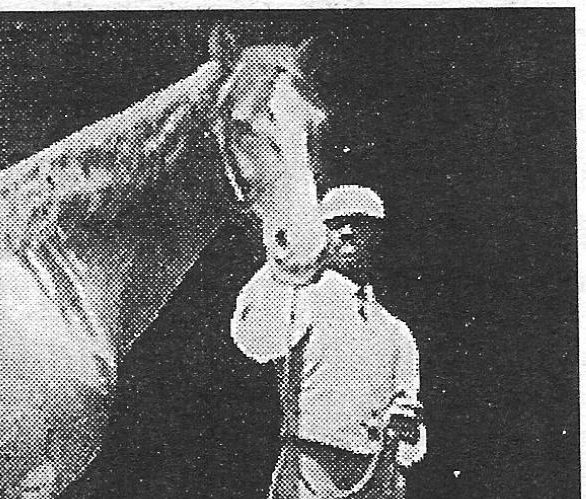
(l) C. Seymour Diggs, Coachman for the Samuel Shoemaker family (late 1800s)
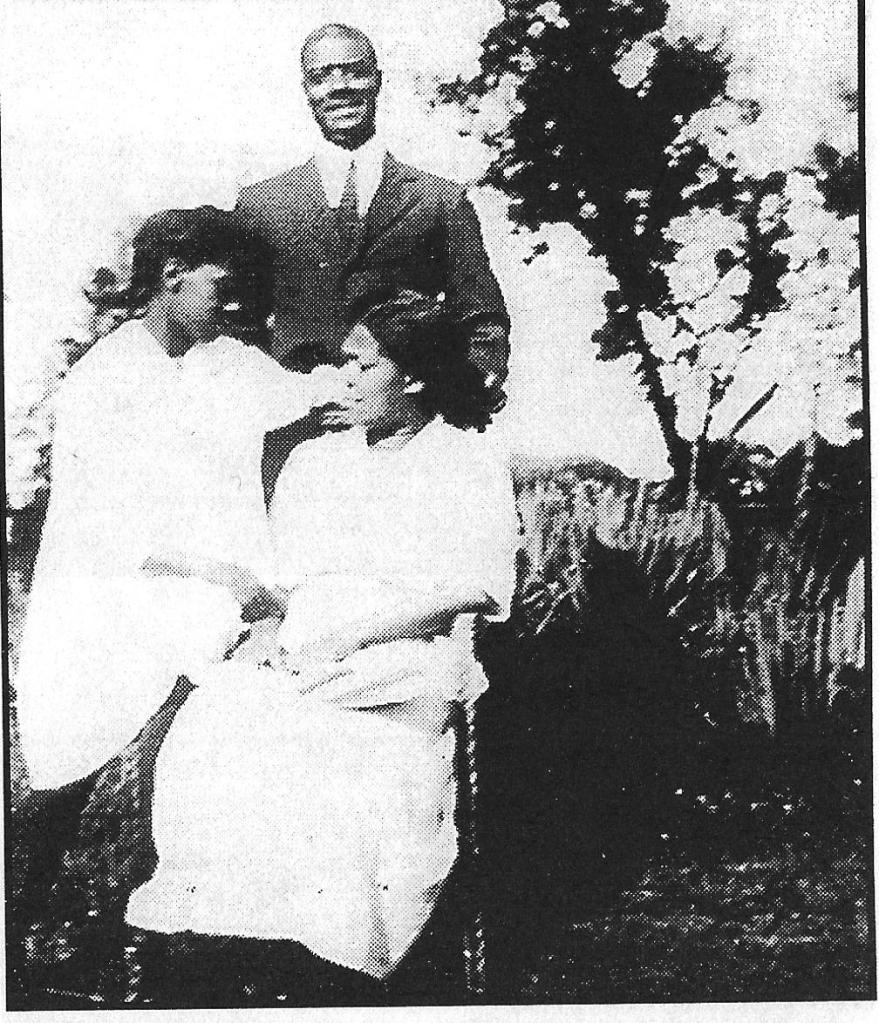
(r) C. Seymour Diggs, wife Amanda Figgs Diggs and their daughter Virgina Temple Diggs (early 1900s)
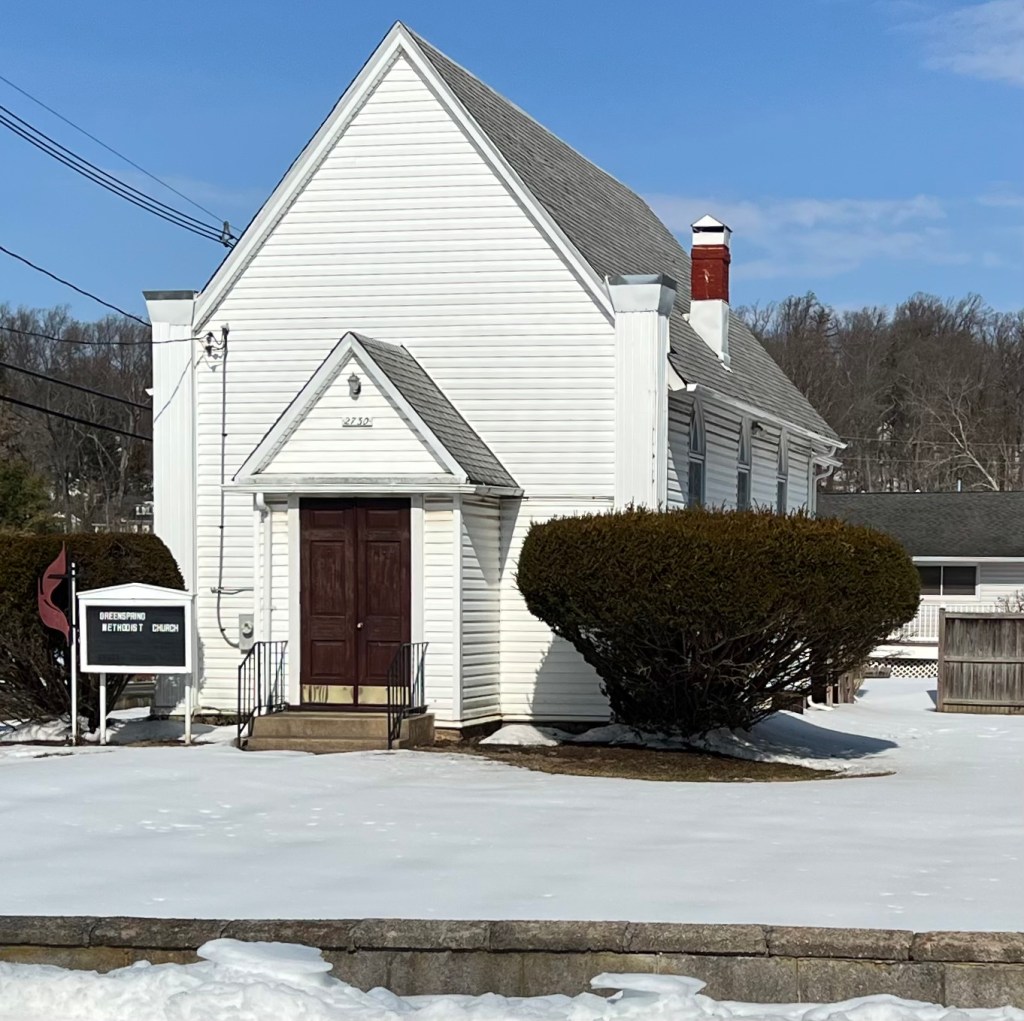
(l) Historic African American Green Spring United Methodist Church (1881)(
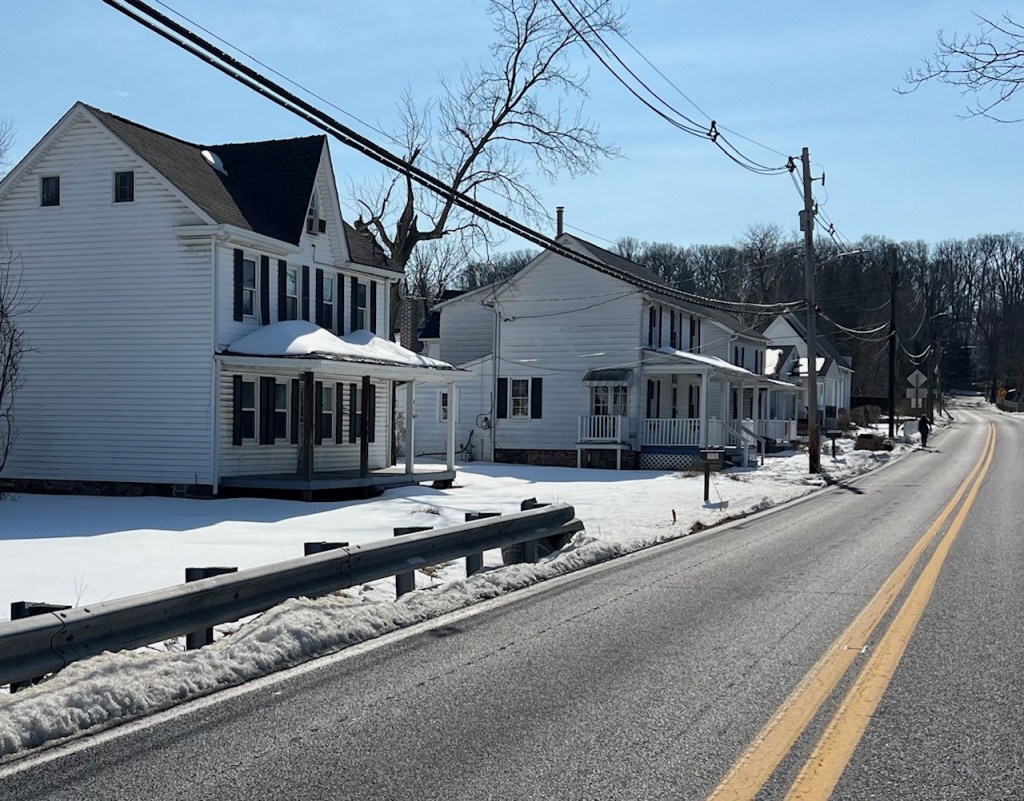
(r) Historic African American Gothic Revival houses along Green Spring Valley Rd. (ca. 1890s)
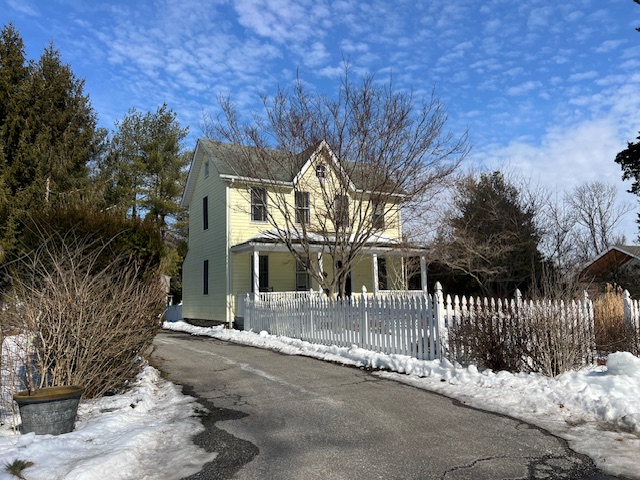
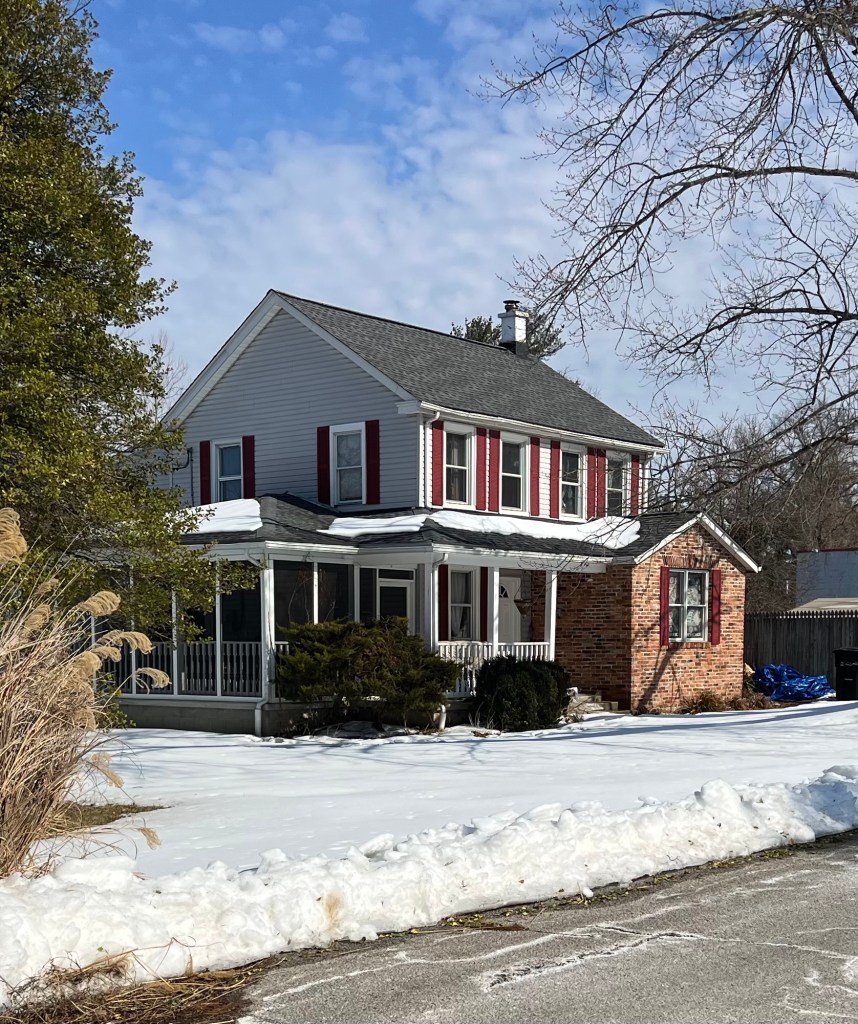
Historic African American homes (ca. 1870) along Spring Hill Rd., formerly Railroad Ave. and originally a railroad bed of the Greenspring Branch of the Western Maryland Ry
Chattolanee (cha-toh-LAY-knee), an unincorporated area within Baltimore County’s Green Spring Valley Historic District, was first prized by Susquehannock Native Americans as a health retreat for its pure water and streams. That’s what chattolanee means—”pure water”. (The 18-mile-long Jones Falls traverses through the Valley with its headwaters located less than 3 miles to the north.)
This area of the County contained plantations dating from the 18th century. Today there are few farming operations, but the Valley remains rural with large estates in generational ownership and more modest dwellings and commercial areas interspersed and along the edges.
One of those generational families is the Stewart’s. C. Morton Stewart (1829-1900) was a prosperous 19th-century Baltimore coffee importer and shipping merchant.
In 1880 or 1881, Stewart paid $1,000 for the construction of a modest Carpenter Gothic style church for African Americans on a portion of his land at the northeast corner of Greenspring Valley Rd. and Railroad Ave.; now Spring Hill Rd. Founded as the Green Spring United Methodist (Colored) Church, it was dedicated in August, 1881.
Stewart gave the church building to Blacks employed in the area as domestics and farm laborers in exchange for their agreeing to remain at work in the Valley rather than move closer to the city. About 45 families attended in its earliest days.
Thus a small enclave of African American homeowners and renters was established on the dirt roads adjacent to the church. “It was very common for Colored families to have their homes built by the White families they work [sic] for,” Joseph Albert Diggs, Jr., told author Louis S. Diggs for his 1998 book In Our Voices: A Folk History in Legacy.
“According to the church historical document,” as reported in Diggs’s book, and whose family was a co-founder, “many Blacks were in some ways caught up in the web of slavery. Those living in the community were happy to have a place to worship, to give thanks for having survived many trials and tribulations. Since freedom of worship was one of the three freedoms upon which our country was founded, it was a meaningful experience to build their own place of worship.”
Green Spring United Methodist’s first pastor, church co-incorporator and trustee, the Rev. Alfred Young (1850-1928), was born enslaved on the Eastern Shore. He was taught to read and write, and in turn helped his fellow enslaved to learn these critical skills. After slavery was abolished, Young pursued his education at Howard University, graduating from its School of Theology.
Elsewhere in his book, Diggs provides a lengthy interview of Charles Seymour Diggs’s daughter Virginia. She offered that one of her most memorable experiences as a young girl in Chattolanee was the visits of her paternal grandfather, John Eli Diggs: “During the winter months I could see my grandfather walking through the snow coming down Green Spring Valley Road and he would usually be encrusted in snow and ice, and he had a large, heavy moustache. As soon as he would enter the house, he would start to thaw out. He dearly loved me, and I deeply loved him. He would call out my name as a soon as he entered the house and I would run down the steps to greet him. He would be wiping has face dry and clearing out his head as he reached down to pick me up and ask me for a big kiss. All of the moisture still dripping from his moustache was just not a nice sight, but I would hold my breath and get this big, wet kiss from my grandfather. I hated it, yet I loved it.”
With limited funding for building schools in the County just after the Civil War, especially for “colored schools” which funding wasn’t mandatory until 1872, churches provided space for needed public schooling rent-free. But by the early 1880s, those churches began receiving modest rent from the County School Board, probably including the Green Spring United Methodist Church. In 1920 its trustees leased nearby property on Railroad Ave. to the County for construction of a dedicated schoolhouse.
In a rural County school back then, the “outstanding feature was the large stove near the center of the room, often a ‘10-plate stove,’ burning chunks of wood or an ‘egg stove’ for coal.” Either stove kept children near it comfortably warm while those several rows back “were almost frozen,” as Diggs tells it. (The stove in the Green Spring church is centered along the east wall.) Also prominent “in a rural County school in the later 19th century was the bench on which set a bucket of water brought by larger pupils from the school well or a nearby home” for all the students to share by common ladle.
In 1890 Chattolanee was officially founded as an unincorporated community and resort destination by Capt. William L. Stork, a Civil War veteran and lawyer. It included the small enclave of African American residents living in stick-built houses, their church and a post office.
In that same year, Stork founded the Chattolanee Spring Water Co. which first began supplying green-glass bottled mineral water from natural springs to area residents and summer vacationers; then later to Baltimore City.
From the 1870s, Valley life was supported by the Western Maryland Railroad Greenspring Branch, which crossed over the Jones Falls just north of the Chattolanee African American enclave, until the 1930’s when the line was discontinued.
-Dick Williams, FTJF Board V. P., Membership, Partnerships & Development
Afterword: Sadly, the Green Spring church is not in use today. I would have liked to visit and perhaps attend a service.
Sources: BA-1620 Green Spring Chapel, (Green Spring United Methodist Church), Maryland Historical Trust; BA-3049–Chattolanee African American Survey District Garrison, Baltimore County 1865-1930, Maryland Historical Trust Maryland Inventory of Historic Properties; Green Spring Valley Historic District, Maryland Historical Trust; Louis S. Diggs, In Our Voices: A Folk History in Legacy, 1998; Martin K. Van Horn & Robert L. Williams, Green Spring Accommodation, 1996; and, Amy C. Crewe, No Backward Step Was Taken, 1949.
Editor’s Note- Our previous, original Juneteenth piece may be found here.

