2-Year Strategic Planning for the Jones Falls Watershed
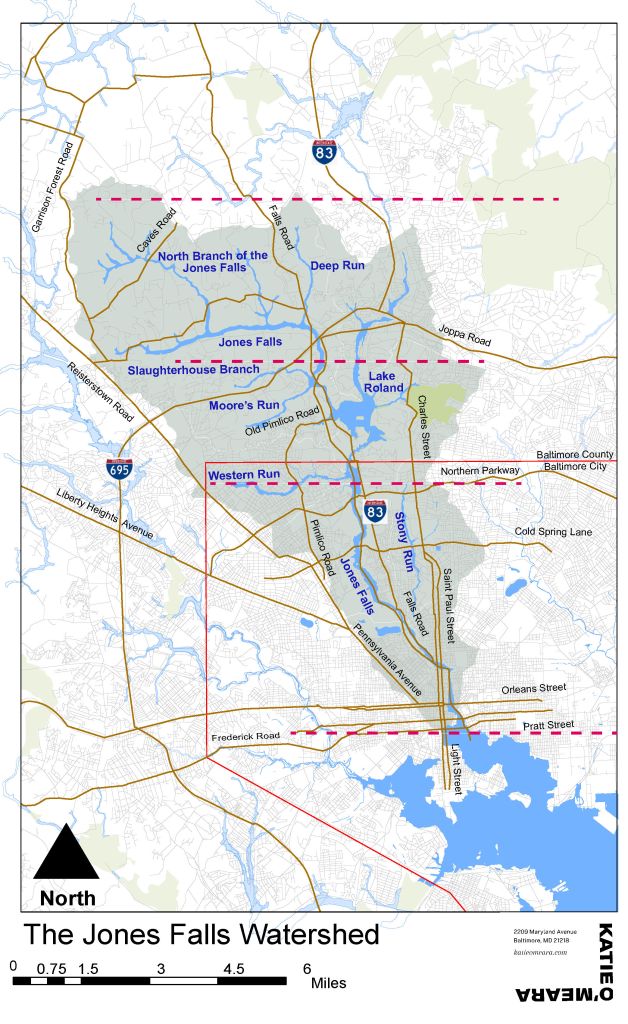
With a 2024 $149,750 National Fish & Wildlife Foundation (NFWF) award in hand, President Sandy Sparks and Board Member Al Barry are setting up committees of volunteers and stakeholder reps in the spring of 2025 to work in each of three planning sections of the Watershed as per environmental stewardship and landscape planning Best Management Practices and NFWF Chesapeake Small Watershed Grant parameters.
The Honorary chair of the Steering Committee is retired Sen. Ben Cardin. The Chair is Al Barry of AB Associates. Other committee members include: Ellen Janes, Central Baltimore Partnership Executive Director; Alice Volpitta, Baltimore Harbor Waterkeeper/Blue Water Baltimore; Brooks Paternotte, Irvine Nature Center Executive Director; Julie Rodgers, The Park School Upper School Science Department teacher; FTJF Board member Mac McComas, JHU 21st Century Cities Initiative Senior Program Manager; and, Kenneth Belt, PhD., retired hydrologist, engineer and aquatic ecologist.
The NFWF Grant underwrites “local capacity to implement future on-the-ground actions, consistent with Small Watershed Grants Program priorities, through community-based assessment, planning, design, and other technical assistance-oriented activities.”
The last time a planning effort was made for the Watershed was in 2015, and that was for the Upper Jones Falls. For the Lower Jones Falls, the most recent was 2008. Both were municipal government efforts. So, a milestone undertaking for the FTJF and recognition by past and present financial supporters of its mission, capabilities and capacities.
We welcome you to visit the new Jones Falls Watershed website!
Constructed Habitat Wetland at Union Collective
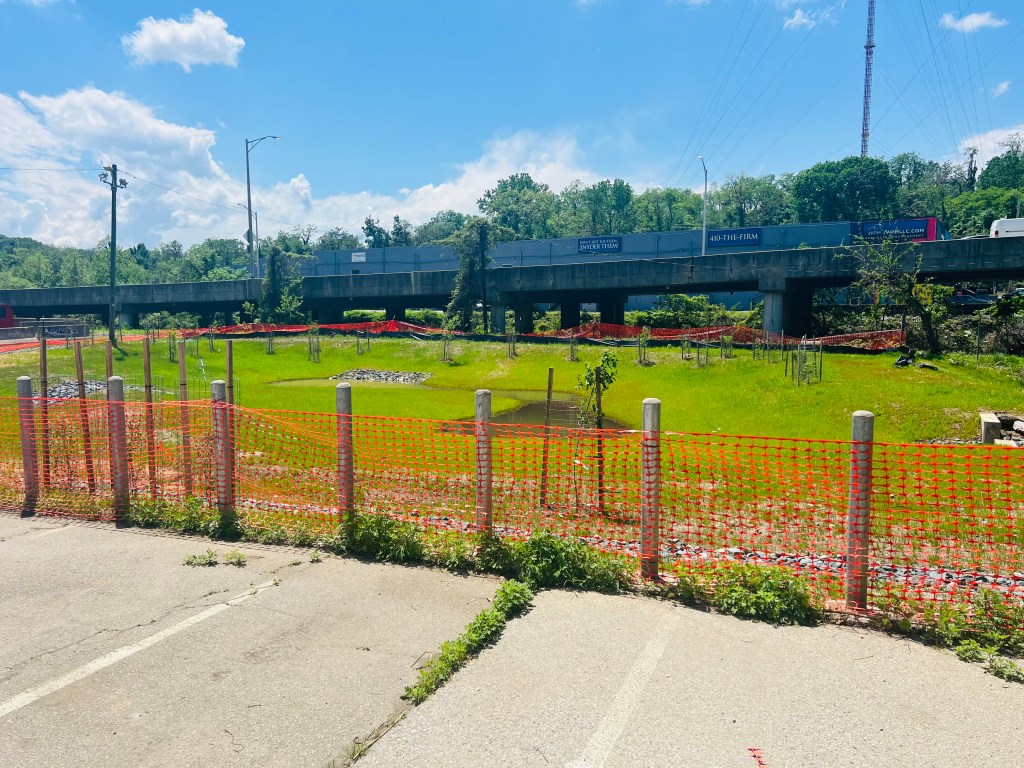
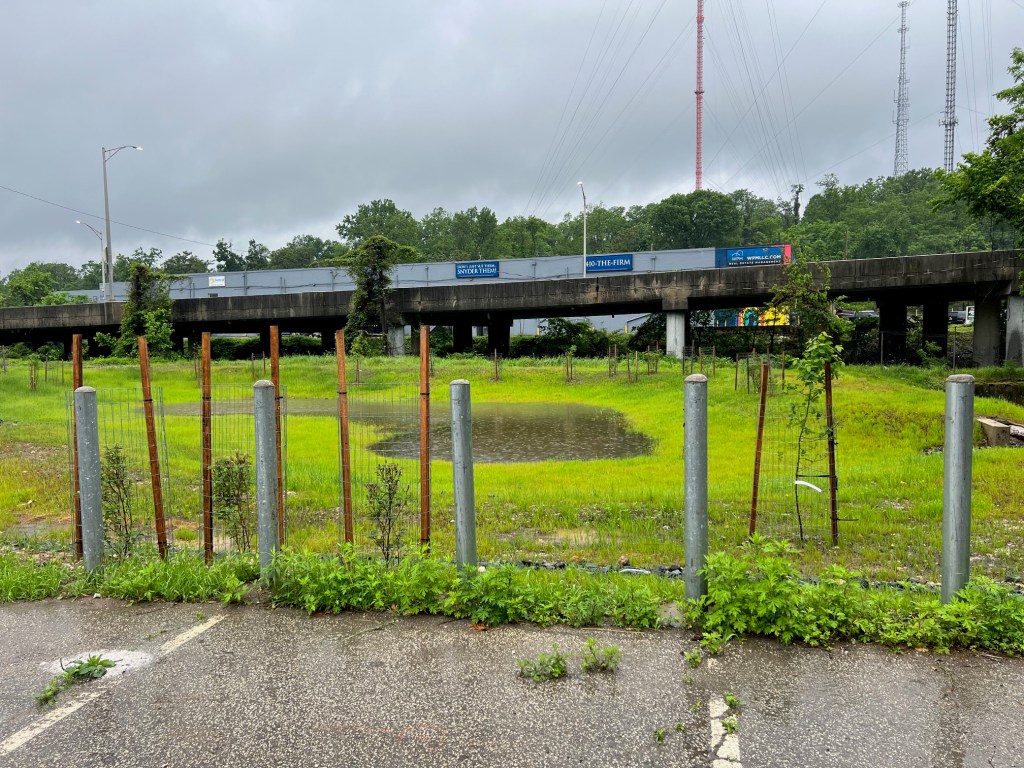
Arising out of the 2019 Union Collective Green Infrastructure Master Plan (referenced below) is a major environmental remediation accomplishment by FTJF on privately owned Baltimore City property in the spring of 2025.
The project entails the installation of an artificial wetland on a 0.52 acre site between the Jones Falls and the asphalt parking lot uphill of it. The purpose of this installation is to intercept stormwater runoff coming from the paved lot, to clean it of toxic vehicular fluids and dust that regularly settle on impervious surfaces between rain storms. When the polluted stormwater is running into the wetland, it is filtered through the soils and aquatic vegetation rather than fouling the Jones Falls below. Constructed wetlands are a Green Infrastructure Best Management Practice.
This project should host a colorful array of wildlife, including birds, waterfowl, amphibians and insects.
For this phase of the project, the FTJF was awarded $204,348 by the National Fish and Wildlife Foundation, $73,984 from the Chesapeake Bay Trust which financial partner included the Baltimore City Department of Public Works, and $42,000 awarded by two Baltimore-based private foundations.
Phase 2 is expected to start construction later in the summer. It will feature a boardwalk partially rimming the wetland, and educational signage. Its funding source is a $142,075 grant from litigation settlement proceeds of the Fleischmann’s Vinegar plant fish kills in the Jones Falls.
Falls Gateway Project
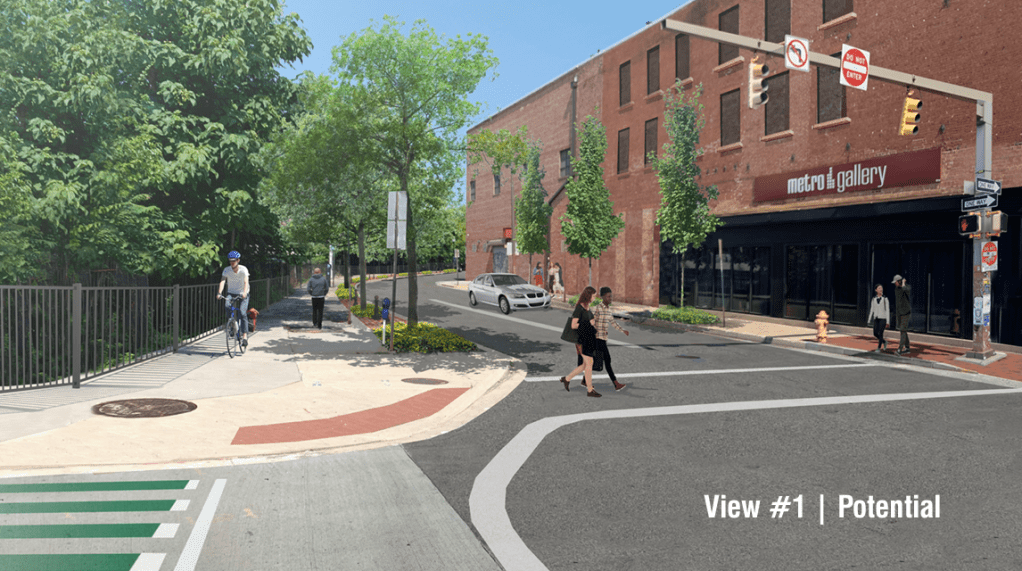
In a collaborative effort, Midtown Community Benefits District and the Friends of The Jones Falls were awarded a Goldseker Foundation grant to create a conceptual design plan for the Falls Gateway. This area at Falls Road and Maryland Avenue is a key corridor for cyclists, pedestrians, transit riders and motorists. It connects multiple neighborhoods to the assets found in and around Midtown, such as Penn Station, Station North Arts & Entertainment District, MICA, University of Baltimore, and multiple cultural, restaurant, and nightlife assets.
Mahan Rykiel Associates and RK&K Engineering’s 2022 plan considers projects already in motion, and, after reviewing with the stakeholders and Baltimore City representatives, recommends much needed improvements that focus on improving the overall experience and navigability of this pivotal area.
Multiple projects are already underway to expand tree pits and plant new trees and native plants, add historical signage, and install a mural along the Falls Road, just west of the Maryland Avenue intersection on a chain link fence overlooking the rail lines. Additional funding will be sought for the larger scale projects, and the group will work closely with the Baltimore City DOT to complete the efforts.
Jones Falls Drone Mapping Project
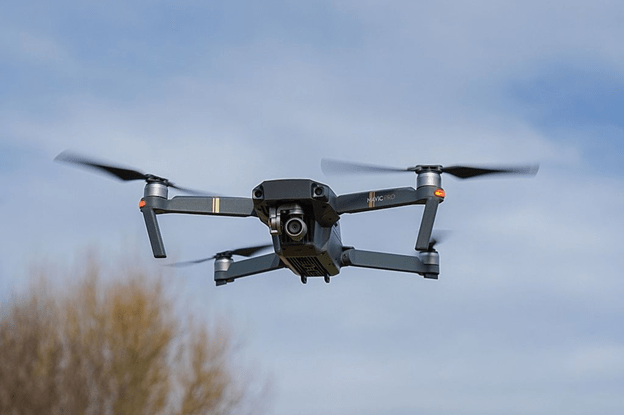
The FJFT is pleased to announce that the Summer 2021 drone mapping pilot project was a great success. Led by Board member Katie O’Meara, climate, culture and landscape consultant, and joined by FJFT-funded student intern Anna Brackett (MICA Architectural Design, 2022), our mapping team was able to capture a range of high-resolution video and photographic footage of a portion of the lower Jones Falls.
They employed drone flight and photogrammetry technology to produce detailed maps and 2.5D scale models of our upcoming project areas. Scrambling against the clock, the team was able to complete a baseline documentation of the Jones Falls from Penn Station to Cold Spring Lane before trees began leafing out this spring, providing them with detailed before-and-after imagery for our spring cleanup.
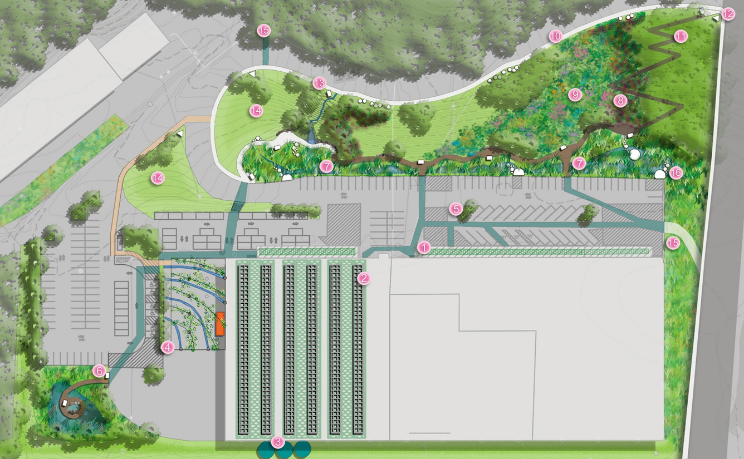
Green Infrastructure Master Plan at Union Collective
2020 – Present
Our first major project is partnering with the owners of Union Collective on a Green Infrastructure Master Plan for its property which includes the former 155,000 sq. ft. Sears Warehouse on 10.5 acres at the banks of the Jones Falls—now housing Union Craft Brewing Co. and a number of inviting shops in its Baltimore City neighborhood of Medfield, adjacent to Woodberry and Hampden.
Earlier this year FTJF was awarded a $49,595 grant by the National Fish and Wildlife Foundation to seed project design.
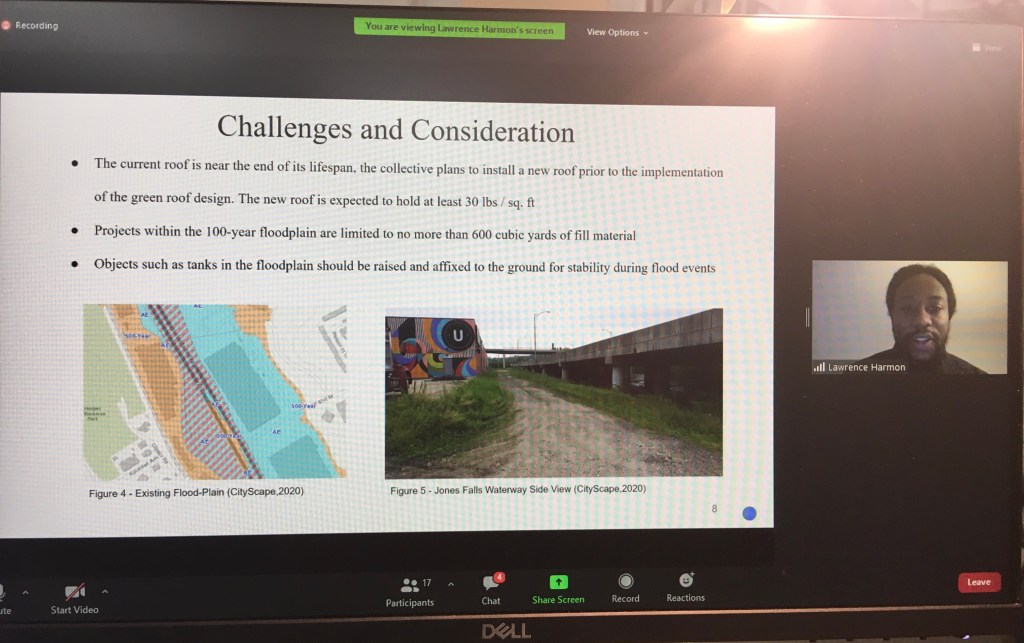
Morgan State University civil engineering students have assisted the project team by originating a green infrastructure study of the proposed Union Collective building roof rainwater harvesting system.
They developed the system design and specs, providing cost analysis and project benefits for installation and a system maintenance checklist as well. Students Lawrence Harmon, Ivanna-Grace Parry and Eugene Wurchi collaborated on the project, and were supported by faculty advisor and Associate Professor, Dr. James Hunter, Jr.
Professor Hunter coordinated his students’ work with Board Member Nick Lindow, P. E., Ph.D, of CityScape Engineering. The students presented their findings to the FTJF Board of Directors at its May, 2021, meeting.
 Friends of The Jones Falls